
When you need power for tools, machines, or outdoor equipment, choosing the right extension cord is more important than it may seem. A standard cord can resemble a heavy-duty one, but it might not be strong, durable, or deliver the power required to perform the most demanding tasks. To make it worse, improper cord usage may result in poor tool performance, overheating, and increased wear with time.
Table of Contents
That is why knowing the difference between types of cord can help you better choose which one to use in this or that application. Heavy-duty extension cords are built with stronger construction, enhanced power handling, and tougher protection against challenging conditions. These features allow them to handle heavier workloads while providing consistent power and durability for demanding applications.
Through this article, you will understand the difference between heavy-duty extension cords and standard ones and why it is important.
1. Thicker Wire Gauge Enables Higher Power Handling
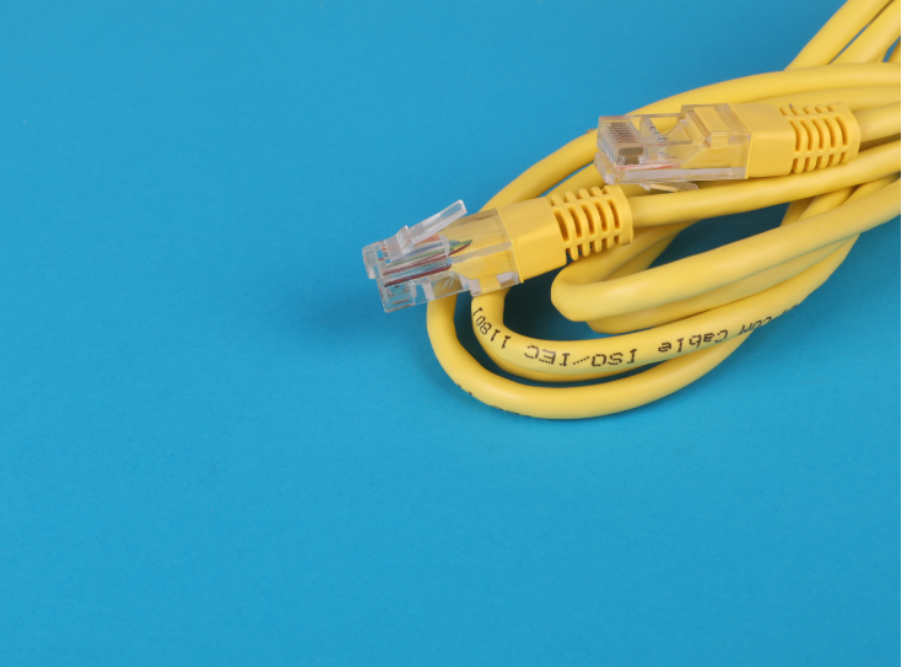
The thickness of the internal conductors is one of the largest differences between a standard cord and a heavy duty extension cord.
Wire gauge is the measure of how much electrical current a cord can comfortably carry, and the thicker the conductors, the more power can be carried with less resistance. This makes heavy-duty cords applicable in equipment like power tools, outdoor machines, and workshop devices that require constant energy.
A thicker wire is also used to minimize voltage drop, which occurs when electricity loses strength as it travels through a cord. This becomes more noticeable when using longer cords with equipment that requires more power. In comparison to conventional cords, heavy-duty cords retain energy flow as their larger conductors are engineered to support higher electrical loads.
Due to this enhanced internal structure, heavy-duty extension cords are able to provide consistent power on extended and more intensive applications. The thicker conductors minimize energy loss and facilitate the smooth running of equipment. This makes them more appropriate for machinery that needs consistent electricity.
2. Rugged Outer Jackets Provide Superior Protection
The outer jacket is another feature that separates heavy-duty extension cords from standard cords. While ordinary cords are generally lighter and meant to be used indoors, heavy-duty cords have more robust protective covers that enable them to endure more rigorous conditions. These jackets protect internal wiring against damage caused by its movement, rough surfaces, and exposure to the outside environment.
As an illustration, cords used in a construction site, a workshop, and outdoor work can be exposed to moisture, dirt, sunlight, and constant handling. A stronger outer jacket resists cracks, cuts, and wear that would impair performance and safety. Unlike standard cords, heavy-duty options are made to handle frequent use and challenging conditions.
This additional security would help heavy-duty cords endure longer. The outer covering coats the internal wires and makes the cord reliable in case of repeated movements and heavy usage.
3. Higher Amp Ratings Support More Powerful Equipment

Another significant distinction is the amount of electrical current that each cord can safely conduct. Unlike standard cords designed for lighter electrical loads, heavy-duty extension cords have higher amp ratings that allow them to support equipment requiring more power. The amp rating displays the highest current that a cord can handle safely when it is in operation.
Standard cords are typically used for smaller devices such as lamps, chargers, and basic household electronics. But tools such as circular saws, pressure washers, and air compressors, among other power tools, may require more powerful electrical connections. These applications can cause performance degradation and lead to overheating when a standard cord is used.
Heavy-duty cords are intended to be more effective in addressing the increased power requirements. Their higher amp capacity allows equipment to receive stable power during operation. This makes them a better choice where standard cords may not provide enough support.
4. Heavy-Duty Construction Makes Them Suitable for Challenging Work Environments
Heavy-duty extension cords are built for environments where standard cords may wear out quickly. Their stronger materials, reinforced construction, and durable design allow them to handle frequent movement, repeated use, and tougher working conditions. This makes them suitable for construction sites, workshops, garages, industrial areas, and outdoor projects.
In these environments, cords may be dragged across surfaces, bent repeatedly, or exposed to changing weather conditions. Standard cords are generally not built to withstand this level of stress and may experience damage when used beyond their intended purpose. Heavy-duty cords use stronger construction that helps them remain functional in demanding situations.
This durability makes heavy-duty cords more reliable for regular and intensive use. Their stronger build supports safer and more consistent operation compared with standard options.
5. Enhanced Safety Features Improve Reliability and Service Life
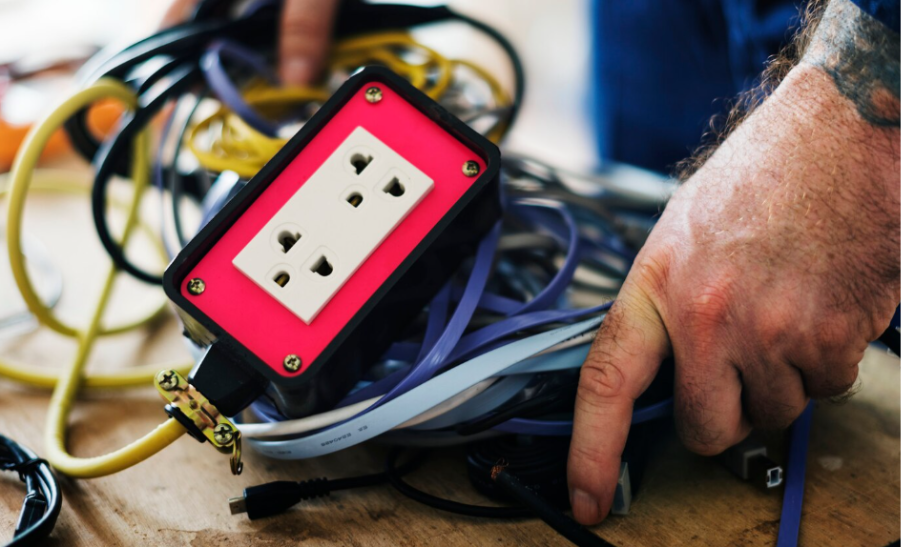
Heavy-duty extension cords often include safety features that are not commonly found in standard cords. Strong connectors, reinforced ends, and better strain relief help reduce stress in areas where cords experience the most movement. These features create stronger connections and help prevent damage during frequent use.
Standard cords may not include the same level of reinforcement because they are designed for lighter applications. When exposed to repeated pulling, bending, or heavy workloads, basic cords may wear down faster. Heavy-duty designs use stronger materials and improved construction methods to better handle these conditions.
These safety improvements help heavy-duty cords maintain reliable performance over time. By providing stronger connections and better protection against stress, they support safer use with electrical equipment.
Conclusion
Heavy-duty extension cords differ from standard cords because they are designed with stronger internal wiring, higher power capacity, tougher materials, and improved safety features. These differences allow them to handle applications where regular cords may not provide the needed strength or performance.
Choosing the right cord depends on your equipment and environment. Understanding these differences helps you select a cord that delivers reliable power, better durability, and safer operation for your specific needs.
