Having a backyard swimming pool during the hot months is, without a doubt, one of life’s greatest perks. You step outside, the sun is blazing down, and that cool, refreshing water is just waiting for you to jump in. But let us be entirely real for a second. Keeping that water looking like a luxury resort oasis instead of a murky green swamp takes some actual, consistent work. It is not just about skimming a few leaves on a Saturday morning and hoping for the best. You really have to stay on top of things week after week. If you let it go, getting the water back to normal is an absolute nightmare. Let us look at the essential, practical steps you need to take so your water stays perfectly clear, safe, and inviting all season long.
Table of Contents
Understanding Your Pool Chemistry
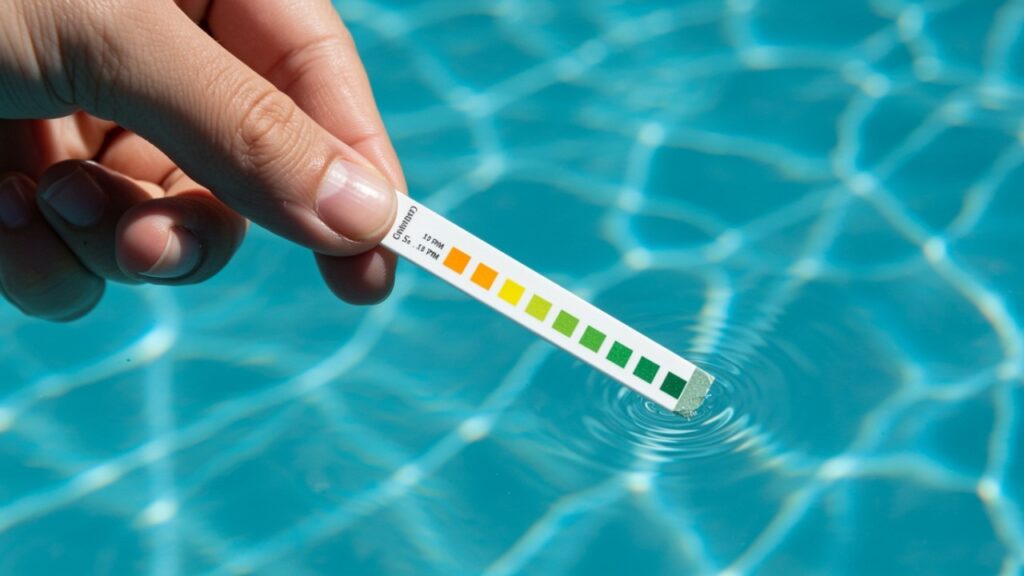
The bedrock of pristine water is getting the chemicals right. There is simply no way around it. If your water chemistry gets out of whack, you are basically rolling out the red carpet for algae and bacteria to take over your backyard. Start by testing the water at least twice a week with a good liquid test kit or reliable strips. Do not just guess based on how the water looks.
The potential hydrogen needs to sit comfortably between seven point two and seven point six. Let it drift too high, and your chlorine stops working entirely, leaving you with a cloudy, unsafe mess. If it drops too low, the water turns highly acidic. That stings your swimmers’ eyes and slowly ruins your expensive heating and filtration equipment. Total alkalinity acts like a shock absorber for your potential hydrogen, so aim to keep that level steady between eighty and one hundred twenty parts per million.
Sanitizer levels are just as critical to the overall puzzle. Whether you use traditional chlorine, bromine, or a modern salt system, you need enough active sanitizer floating around to kill off the gross microscopic stuff. Keep a very close eye on your cyanuric acid too. Think of cyanuric acid as a strong sunscreen for your chlorine. Without it, the intense July afternoon sun will literally bake off your free chlorine in a matter of hours, leaving the water totally defenseless against invading algae spores.
Daily and Weekly Maintenance Tasks
Getting the chemicals perfectly balanced is huge, but it is really only part of the job. You also have to roll up your sleeves and do the physical work. Try to make skimming a daily habit, even if you only have five minutes before work. Grab the net and scoop out those stray leaves, twigs, and bugs before they become waterlogged and sink to the floor. Once organic stuff hits the bottom and starts rotting, it aggressively eats up your chlorine and feeds the algae.
Then there is the weekly brushing. Yes, it is a tedious chore, but you absolutely cannot skip it. Even if the water looks utterly flawless to the naked eye, invisible slime and biofilms constantly build up on the stairs, ladders, and walls. Scrubbing vigorously with a good brush kicks that stubborn film into the water column so your filtration system can actually catch it. Oh, and do not forget to regularly dump out the skimmer baskets and the main pump basket. Good water flow is everything in this game, and a clogged basket makes your pump work way harder than it should, eventually burning out the expensive motor.
Investing in the Right Cleaning Equipment
Manual scrubbing is fine for quick touch ups, but cleaning the entire bottom of the pool by hand gets incredibly old, incredibly fast. Between spring pollen dumps, heavy summer storms, and everyday dirt blowing through the yard, the debris never really stops falling. If you actually want to spend your precious weekend hours swimming with your family instead of sweating over chores, automating this part of the process is an absolute lifesaver.
Tracking down the best pool cleaner for your specific layout and surface type changes the game entirely. These smart, automated machines roam around the floor and scale the walls on their own, scrubbing off dirt so you do not have to lift a finger. It saves you a ton of physical labor over the course of the long summer. Plus, moving all that heavy water around from the bottom up improves your overall circulation dramatically. Better flow means your expensive chemicals spread out evenly, which effectively stops algae from finding warm, quiet corners to grow in.
The Importance of Proper Filtration
Think of the pump and filter as the heart and lungs of your whole backyard operation. Poor circulation means your water will eventually turn cloudy and gross, no matter how perfectly you balanced the chemicals the day before. During the absolute hottest weeks of the year, that pump needs to run long enough to cycle every single drop of water at least once a day. For most standard residential setups, that means running the system roughly eight to twelve hours daily.
If you have upgraded to a modern variable speed pump, you have a huge advantage. You can run it on a low, quiet setting around the clock. It keeps the water constantly moving and actually drops your monthly energy bill at the same time. You also need to keep that filter medium spotlessly clean. A dirty sand, cartridge, or diatomaceous earth filter drives up the internal system pressure and ruins your flow rate. Backwash or rinse it out whenever the pressure gauge spikes about ten pounds over the clean baseline so it can keep catching those tiny, annoying particles that cause water to look milky.
Handling Debris With Modern Solutions
Sometimes regular daily skimming and your main automatic cleaner just are not quite enough to handle unexpected messes. Maybe a freak summer thunderstorm blew a mountain of dirt and mulch onto the top step, or the neighborhood kids tracked in half a sandbox after playing in the yard. Dragging out the big, clunky vacuum hoses, priming them, and hooking them up to the skimmer for a basic five minute cleanup is incredibly frustrating.
This is exactly where grabbing a modern cordless pool vacuum makes total sense for any owner. They run entirely on internal batteries, so you literally just grab them off the charger, toss them in the water, and suck up the localized mess in a few minutes flat. Getting that heavy dirt out quickly stops it from breaking down and burning through your chlorine reserves. Fix the mess immediately, and you will not have to fight a massive chemical imbalance later in the week.
Shocking and Algae Prevention
You can honestly do everything perfectly right, and the water will still build up invisible contaminants over time. Sweat, sunscreen, body oils, and the hot sun create a complex organic waste that normal, daily chlorine doses simply struggle to handle. That is exactly why you have to step in and shock the water regularly.
Dumping in a heavy, concentrated dose of oxidizing chemicals breaks down that stubborn waste and quickly kills off any early stage algae spores before they bloom. You always want to perform this shock treatment after the sun goes down so the strong ultraviolet rays do not immediately destroy the active chemicals. Throwing a little preventative algaecide into the mix each week is also a fantastic safety net. It disrupts the cellular growth of stubborn algae, keeping your water looking incredibly sharp and inviting even through a nasty, prolonged heatwave.
Maintaining a stunning backyard swimming environment really does not have to feel like a stressful part time job that eats up all your free time. By understanding your chemical parameters, establishing a very consistent physical maintenance routine, optimizing your filtration runtime, and leaning on modern cleaning technology, you can spend way less time sweating over the water and more time actually relaxing in it. Consistency is the true secret to success here. Stay ahead of the debris, keep those chemicals strictly balanced, and enjoy a beautiful, shimmering summer season.
